Key takeaways
- Your recall interval should reflect your individual risk and clinical findings.
- A cleaning, an examination and X-rays serve different purposes.
- New symptoms deserve attention even if your next checkup is already scheduled.
“Every six months” is a familiar answer to the question of how often to visit the dentist. It can be a useful routine for some people, but it is not a universal prescription. Your dental history, gum health and current risk matter more than a calendar rule. If you are finding a dentist in Beverly Hills or returning after a long break, a first appointment can help establish an appropriate plan. Preventive care is most useful when visits and daily habits work together, with room to adjust as your needs change.
Why the right interval varies
A dentist recommends your next checkup after considering your oral health and risk of future problems. Someone with active gum disease, frequent decay or other concerns may need closer monitoring than a person with stable findings. A maintenance cleaning after gum treatment may also follow a different schedule from a routine examination.
Ask what the recommended interval is intended to monitor. Understanding the reason makes it easier to prioritize the appointment. If you are comparing schedules between family members, remember that different recommendations can both be appropriate. A useful plan tells you when to return, what to do at home and what changes should prompt an earlier call.
What happens during a checkup?
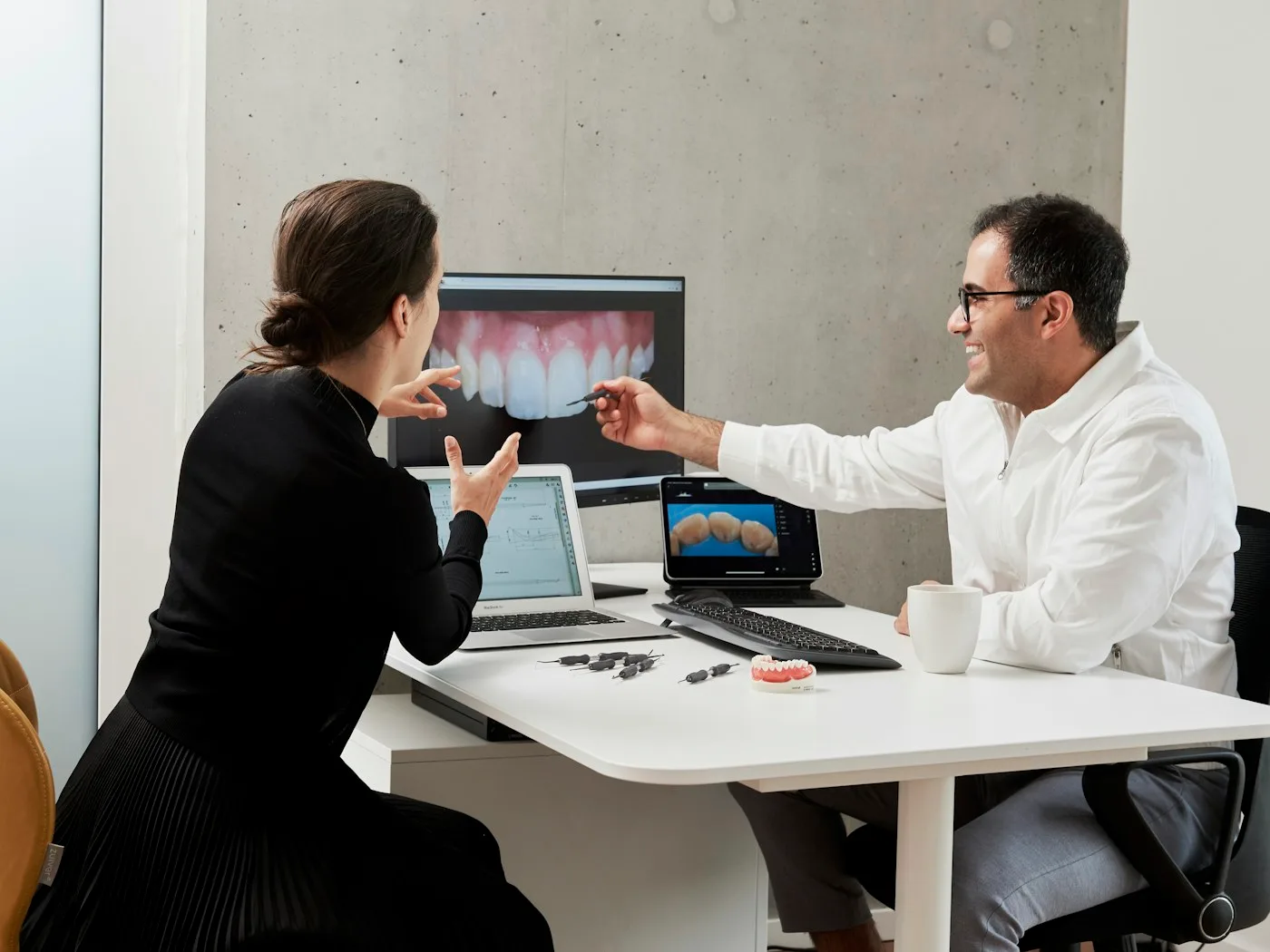
A checkup usually begins with updates to your health history, medications and concerns. The clinician examines your teeth and the tissues in and around your mouth, looking for signs that need further attention. You may discuss sensitivity, chewing, grinding, previous dental work and changes since the last visit.
Prepare a short list of concerns before arriving. It can be easy to forget an occasional symptom once you are sitting in the chair. Mention when it happens and what seems to trigger it without feeling that you need to name the diagnosis. If you have old records or X-rays at another office, ask how they can be shared appropriately.
What does a professional cleaning do?
A routine cleaning removes plaque and hardened deposits from accessible tooth surfaces, with polishing when appropriate. It complements home care rather than replacing it. A patient with gum disease may need a different type of treatment, such as scaling and root planing, followed by reassessment and individualized maintenance.
When arranging teeth cleaning in Beverly Hills, ask whether an examination is needed first and what the appointment includes. If the recommended cleaning differs from what you expected, request an explanation of the findings. Knowing why a treatment is suggested is more useful than choosing care by its name alone. Ask for practical advice on the areas you find hardest to keep clean.
Your next visit should be based on your mouth, your risks and the changes you notice.
Are X-rays needed at every visit?
Dental X-rays are selected according to the clinical situation, not automatically repeated at every checkup. Your history, symptoms, previous images and examination findings help determine whether imaging is useful. Different images answer different questions, and the dentist weighs the information needed against radiation exposure.
Ask what an image is intended to show and whether recent records are available. Let the team know about pregnancy or other health changes so they can discuss your care in context. The goal is appropriate information for diagnosis and planning, rather than taking more images simply because time has passed. A conversation about imaging is a normal part of informed care.
Tell your dentist when life changes
Medication changes, dry mouth, tobacco use and certain health conditions can influence oral health. A history of gum disease or repeated cavities also matters. Sharing these changes allows the clinician to reconsider prevention and follow-up. Do not stop a prescribed medication because you suspect an oral side effect; discuss it with the relevant health professionals.
Your circumstances may also affect what you can maintain. Shift work, caregiving or difficulty using a particular toothbrush can make a routine harder to follow. Ask for a practical adjustment instead of abandoning the plan. A helpful routine fits your abilities and daily life while addressing the risks found at your examination.
Make the next step personal.
Talk through your questions and options at an appointment with BV Dental.
Book a consultationDo not wait for your next checkup if symptoms change
Call about new tooth pain, swelling, a broken tooth, persistent bleeding gums or another concerning change. A mouth sore or unusual patch that does not heal also needs evaluation. An online appointment request should not be used to delay urgent advice, particularly when symptoms are worsening.
For difficulty breathing or swallowing, rapidly worsening facial swelling or another medical emergency, seek emergency medical help and call 911 when appropriate. During office hours, call the practice to discuss urgent dental symptoms and availability. When the office is closed, seek an appropriate urgent dental service rather than waiting for a website response.
Build a simple routine you can repeat
Consistency is more useful than complexity
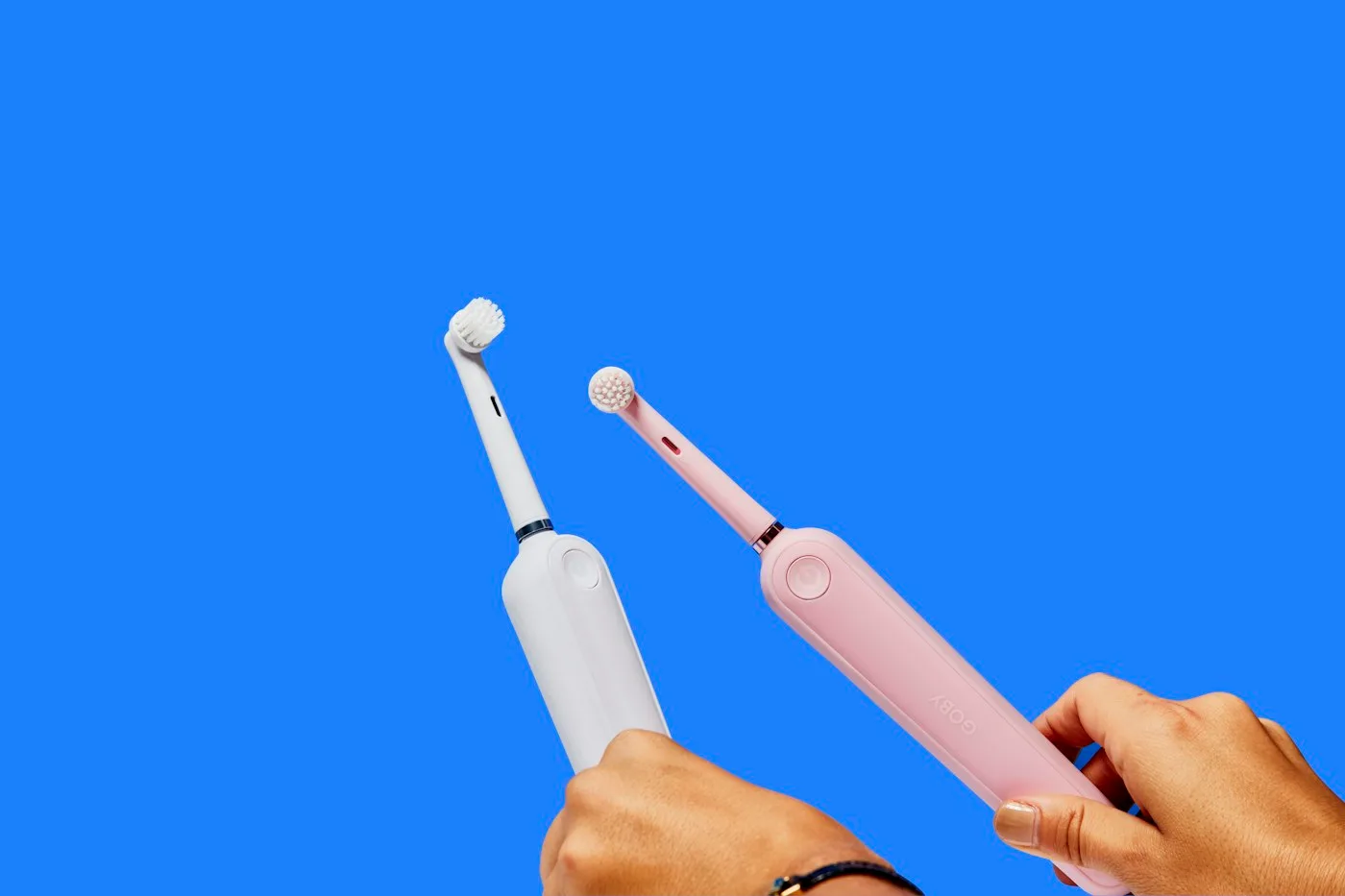
Brush twice a day for two minutes with fluoride toothpaste and a soft-bristled brush. Clean between teeth once daily using floss or another suitable interdental tool. Ask for a demonstration if you are unsure about technique, especially around bridges, implants, braces or areas where your gums have receded.
Choose a time and place that makes the habit easy to remember. Keep the tools accessible, replace worn brush heads and review any difficulties at your next visit. A water flosser or interdental brush may help some people, but the right tool depends on the spaces and dental work being cleaned. Mouthwash is not a replacement for brushing and interdental cleaning.
Look beyond the toothbrush
Frequent exposure to sugary foods and drinks can contribute to decay risk. A balanced diet, water and attention to how often you snack can support your prevention plan. Ask your dentist about habits that may be relevant to your own findings rather than assuming that one product will solve the problem.
If you have dry mouth, mention it specifically. It can affect comfort and dental health, and it may call for additional evaluation or prevention. Avoid buying a long list of products before you understand the recommendation. A small number of appropriate tools, used consistently, is often easier to manage than a complicated routine you cannot sustain.
How prevention can save future time and expense
Routine care can identify problems while there are still more options to manage them. Addressing risk and maintaining oral health may reduce the chance of needing more involved treatment later, although no routine guarantees that you will avoid dental disease. The practical benefit is a clearer picture of your needs and an opportunity to plan.
Ask for a written care plan that separates immediate needs from monitoring and elective treatment. Check your insurance benefits, but do not assume that the number of covered cleanings defines the right clinical schedule. If cost or timing is difficult, discuss it openly so the team can explain reasonable priorities and available options.
Returning after a long break
You do not need to solve every dental concern before booking your first appointment. Tell the team how long it has been and whether anything is bothering you. Ask what the first visit is likely to involve and how much time to allow. A clear expectation can make returning feel more manageable.
Start with an examination, listen to the findings and ask questions. Before leaving, confirm your next step and the reason for the recommended interval. Explore our exam and cleaning information, or request an appointment when you are ready. Your preventive routine can begin with one useful conversation and grow from there.
Your questions answered
Sources & further reading
NHS: dental checkupsADA: X-rays and radiographsNIDCR: periodontal gum diseaseADA: brushing your teethADA: flossingThis article is for general information and is not a substitute for a professional dental exam.