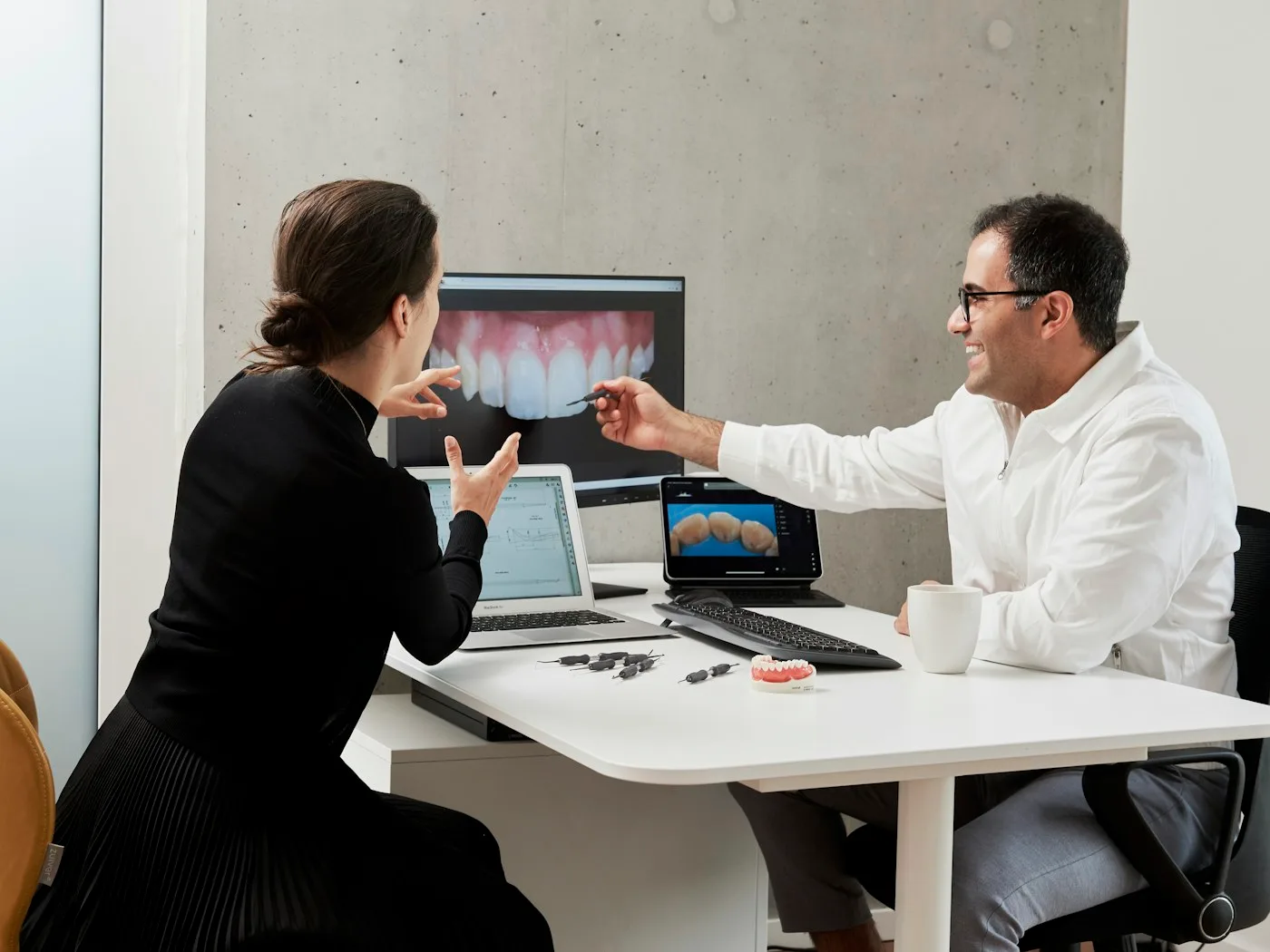
Key takeaways
- Whitening changes the color of suitable natural teeth; veneers can also change their visible shape.
- Healthy teeth and gums come first, whatever cosmetic option you consider.
- Bonding can be a useful alternative for a small chip or shape concern.
You may know that you want to feel more comfortable smiling, without knowing which treatment makes sense. Perhaps your teeth look darker in photographs. Perhaps one uneven edge catches your eye. Those concerns can lead to very different plans. If you are looking for a cosmetic dentist in Beverly Hills, start by describing the change you want rather than requesting a procedure by name. A useful consultation connects your goals with your tooth health, bite and preferences. This guide explains the differences and gives you questions to bring to that conversation.
Start with the change you actually want
Ask yourself whether your main concern is color, shape, spacing or a combination. A whitening treatment cannot close a gap or repair a chipped edge. A veneer may change several visible features, but it also involves a greater commitment. Photos can help you explain what you notice; they should not become a promise that your result will match someone else’s smile.
Write down your top two priorities before your visit. You might want teeth that look brighter without an obvious change, or a more even appearance while preserving your natural character. Mention a wedding, presentation or other deadline early. A thoughtful plan leaves room for evaluation, decision-making and follow-up rather than rushing to fit a date.
How professional whitening works
Whitening products use peroxide-based ingredients to lighten certain stains in natural teeth. A dentist can discuss office-based care or a supervised take-home approach. Suitability matters: some discoloration responds poorly, and crowns, veneers and fillings do not lighten in the same way as natural enamel. Temporary tooth sensitivity or gum irritation can occur.
Before starting, point out any existing dental work, sensitivity or darkening in just one tooth. Ask what might be causing the color change and whether another issue needs attention. For teeth whitening in Beverly Hills, the useful first step is an examination and an explanation of realistic options. A brighter shade should fit your overall smile, including restorations that may remain their original color.
What porcelain veneers can change
A porcelain veneer is a thin, customized covering bonded to the front of a tooth. It may address selected concerns involving shape, chips, gaps or discoloration. Veneer preparation commonly removes some enamel, so the decision should be treated as an irreversible commitment. Veneers can chip, loosen or need replacement; the teeth beneath them still require daily care.
The planning conversation deserves as much attention as the final shade. Ask how much tooth preparation is proposed, whether a less involved option could meet your goal and how future repairs would be handled. If a preview or mock-up is offered, use it to discuss proportions and preferences. It is a communication aid, not a guarantee of the final appearance.
The most useful starting point is the change you want to feel, not the procedure you think you need.
Who may be a good candidate?
Both options begin with assessing the health of your teeth and gums. Active decay or gum problems should be addressed before elective cosmetic treatment. Grinding, the way your teeth meet and the condition of existing restorations can affect the plan. A dentist may recommend prevention, orthodontic evaluation or restorative care before discussing cosmetic changes.
Tell the dentist about previous treatments and anything you found uncomfortable. Bring a current medication list to the clinical appointment, rather than entering detailed health information into a general website form. If you feel unsure, ask for the findings and alternatives in writing. Taking time to understand a recommendation is a reasonable part of choosing your care.
Veneers and whitening at a glance
The comparison below is a starting point, not a personalized treatment recommendation. Appointment counts depend on your examination, preparation needs and the approach selected. Ask the practice to explain which stages apply to you and what may change the estimated schedule.
| Consideration | Whitening | Porcelain veneers |
|---|---|---|
| Process | Lightens suitable natural teeth | Custom coverings change visible color and shape |
| Visits | Varies by office or take-home plan | Often multiple planning and fitting visits |
| Longevity | Variable; maintenance may be needed | Often many years; repairs or replacement may be needed |
| Reversibility | Does not involve preparing teeth for veneers | Usually irreversible because enamel is removed |
| Best for | Selected concerns mainly involving tooth color | Selected concerns involving color, shape, chips or gaps |
Make the next step personal.
Talk through your questions and options at an appointment with BV Dental.
Book a consultationHow long can the results last?
Whitening results fade at different rates, influenced by your starting shade, habits and the product used. Think of maintenance as an ongoing discussion rather than a fixed expiration date. Porcelain veneers are designed for longer-term use, but they are not lifetime restorations. Clinical guidance commonly describes a lifespan of about 10 to 15 years, with considerable individual variation.
Ask about the full ownership of your choice: checkups, possible touch-ups, repairs and eventual replacement. Do not compare options only by their initial appearance or price. A plan that looks manageable on the day of treatment should also fit your expectations for the years afterward. Your dentist can explain what is realistic for your teeth and lifestyle.
When bonding may be the middle option
A smaller change may be enough
Cosmetic bonding uses tooth-colored resin to alter selected areas of a tooth. It may help with a small chip, an uneven edge or certain minor gaps. Some bonding procedures need little or no enamel removal, depending on the situation. Resin may stain or wear and can require maintenance. It is not a suitable substitute for every veneer or orthodontic plan.
If you like most of your smile, explain that clearly. Ask whether a limited treatment could address the one feature you notice. You can also ask whether whitening should be considered before new bonding so that the resin shade is selected thoughtfully. Your dentist will advise on sequencing, including the time needed to evaluate the tooth color after whitening.
Protect the result with everyday care
Brush twice daily with fluoride toothpaste and clean between your teeth each day. Ask which techniques and products suit any new restorations. Avoid treating teeth as tools for opening packaging, and discuss protection if you grind or play sports. Cosmetic care does not remove the need for regular examinations.
Keep the written instructions from your appointment somewhere accessible. If your bite feels different, a restoration feels loose or sensitivity persists, contact the practice rather than trying to adjust anything yourself. At review visits, mention changes in your routine or expectations. Maintaining a comfortable, healthy smile is a continuing partnership, not a one-time finish line.
Make your consultation useful
Bring your questions, your priorities and any time constraints. Ask what can be achieved with the least appropriate intervention, what alternatives exist and what happens if you choose to wait. Request a written estimate and a clear explanation of which parts of care may fall outside insurance benefits.
You do not have to arrive knowing the answer. Start with a conversation about what matters to you, then weigh the recommendations at your own pace. Explore our whitening, veneers and bonding information, or request a visit to discuss the next step. An individualized plan begins with your examination, not with an online comparison.
Your questions answered
Sources & further reading
American Dental Association: teeth whiteningAmerican Dental Association: veneersCleveland Clinic: dental veneersAmerican Dental Association: ways to improve your smileThis article is for general information and is not a substitute for a professional dental exam.